Finalrentals Blog

Published in Travel Tips Category.
Driving through Suriname is one of the best ways to experience its lush rainforests, winding rivers, and vibrant local culture. To enjoy a smooth and stress-free trip, it’s important to know where fuel stations are located, which type of fuel your vehicle requires, and how to plan refuelling stops along your route.
Having a rental car lets you travel at your own pace, stop whenever you want, and explore hidden spots that public transport can’t reach. With Final Rentals, arranging a reliable vehicle is simple, ensuring your journey is comfortable and worry-free. Knowing these basics will also help you navigate stations along your route more easily.
Fuel Stations in Suriname

Suriname has a growing network of fuel stations, primarily concentrated in and around major cities like Paramaribo. While fuel stations are relatively easy to find in urban areas, they become more sparse in rural regions and along remote roads. For travellers planning long trips or day excursions, it is important to know where stations are located and to plan refuelling stops.
Most fuel stations in Suriname are modern and provide multiple services, including convenience stores, air pumps, and sometimes car maintenance assistance. While petrol stations are usually reliable, some rural areas may have fewer options, so always ensure your tank is full before leaving the city for remote destinations.
Types of Fuel Available
Suriname primarily offers three main fuel types:
- Petrol (Gasoline): Petrol is the most common fuel in Suriname and works for most rental cars, especially sedans and smaller vehicles. Fuel stations usually label the type clearly, and it is available in regular (low-octane) or premium (high-octane) grades.
- Diesel: Diesel fuel is available at most major stations and is used for larger vehicles, SUVs, and some four-wheel-drive cars. Diesel is often slightly cheaper than petrol and provides better fuel efficiency for long-distance drives.
- LPG / CNG: Liquefied petroleum gas or compressed natural gas is less common and mainly used in commercial or local vehicles. Most rental cars in Suriname do not use LPG, so tourists typically do not need to worry about this fuel type.
Knowing which fuel type your rental car requires is crucial because using the wrong fuel can damage the engine and lead to costly repairs. With Final Rentals, travellers receive clear guidance on fuel types, making it easy to refuel correctly and safely while exploring Suriname.
How to Identify Fuel Stations
Fuel stations in Suriname are easy to recognise, with clear signs showing brand logos and fuel types. Many also have large boards displaying current fuel prices. In cities, some stations are open 24 hours, but rural stations often have limited hours, so it’s important to plan refuelling stops on longer trips.
Most modern stations have attendants who can help fill your tank and check your oil or tyre pressure. While cash is commonly used, some stations accept cards. If you are renting a car, always check with your provider whether the tank must be returned full, as this can affect your final charges.
Tips for Refuelling While Travelling
Refuelling while travelling in Suriname is generally straightforward, but following a few simple tips can make the experience smoother and prevent unnecessary delays. Knowing what to check and plan for ensures your car runs efficiently and your road trip stays stress-free.
- Check your fuel gauge before leaving urban areas: Filling up in the city is safer than waiting until you are in a remote location.
- Confirm the fuel type for your rental car: Using petrol in a diesel vehicle or vice versa can cause serious damage.
- Plan for high-octane fuel if needed: Some smaller stations may not have premium petrol, so stop at larger stations if your car requires it.
- Keep cash handy: Not all stations outside Paramaribo accept card payments, so carrying cash ensures smooth refuelling.
- Follow local traffic rules at stations: Roads near pumps can be narrow and busy, so entering and exiting carefully is important.
By keeping these tips in mind, you can refuel confidently and enjoy a safer, smoother journey across Suriname.
Fuel Prices and Cost Considerations
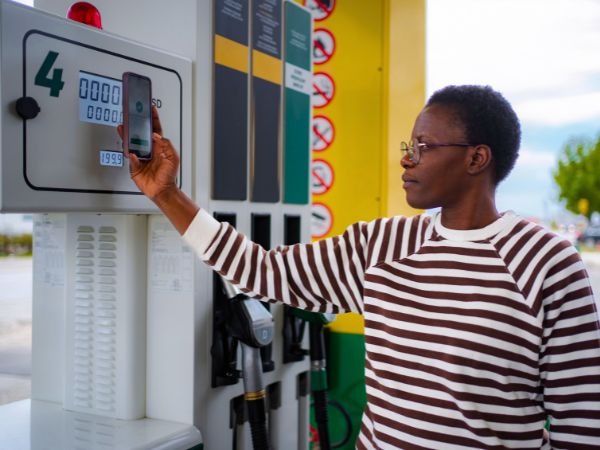
Fuel prices in Suriname fluctuate depending on global oil markets and local government policies. Petrol and diesel prices are generally similar, with diesel sometimes slightly more expensive. It’s helpful to budget for fuel costs based on your planned routes and distances, and to check current prices before setting out.
Choosing vehicles with better fuel efficiency can also help save money while travelling. Smaller sedans or compact SUVs are ideal for city travel and shorter trips, while diesel-powered vehicles are more economical for long drives or exploring remote areas. Planning fuel stops in advance ensures a smoother, stress-free journey across the country.
Planning Road Trips Around Fuel Stations
Many of Suriname’s top attractions are located outside Paramaribo, including Brownsberg Nature Park, Brokopondo Reservoir, and Peperpot Nature Park. While these destinations are accessible by car, some routes pass through areas with few fuel stations. Planning your route and identifying refuelling points in advance is essential.
Using a rental car gives you the flexibility to stop whenever needed, explore hidden locations, and avoid being restricted by limited public transport. With Final Rentals, travellers can also get advice on fuel stations along popular day-trip routes, ensuring that they never run low on fuel during their adventure.
Emergency Fuel Tips
Running out of fuel is uncommon but can happen, especially when travelling to remote regions. Here are some emergency tips:
- Always keep your tank at least half full when leaving Paramaribo.
- Carry a small, approved fuel container for long trips in rural areas.
- Know the locations of major fuel stations along your planned route.
- Ask locals or staff at hotels and restaurants for nearby fuel options if needed.
Being prepared can prevent delays, reduce stress, and make your road trip safer. Travellers renting a car in Suriname benefit from having these tips handy, allowing them to explore without worry.
Using Rental Cars and Fuel Efficiency
Choosing the right rental car can improve fuel efficiency and reduce travel costs. Smaller cars or hybrid vehicles often consume less fuel, while larger SUVs or 4x4s may be better for rough roads but require more fuel. Final Rentals offers a variety of vehicles suitable for different travel plans.
Whether you’re driving through city streets, visiting nature parks, or exploring plantations, selecting the appropriate vehicle ensures that you enjoy a comfortable and economical trip. Understanding fuel types and the location of fuel stations allows tourists to plan effectively and make the most of their rental experience.
Benefits of Renting a Car in Suriname

Exploring Suriname by road is more enjoyable and convenient when you have the right vehicle. Having a car allows you to travel comfortably, plan your day efficiently, and access destinations that might be difficult to reach otherwise.
- Travel at your own pace: Having your own vehicle lets you start your day early, stop at scenic spots, and visit multiple destinations in a single trip. You can also carry essentials like water, snacks, and emergency supplies for longer journeys.
- Well-maintained and reliable vehicles: Using Final Rentals ensures your vehicle is fuel-efficient, properly serviced, and ready for Suriname’s roads.
Travellers can also download the Final Rentals app on Google Play or the App Store to manage bookings, check vehicle availability, and receive guidance on fuel and maintenance.
Start Your Suriname Road Adventure
Exploring Suriname by road is one of the best ways to experience its natural beauty and cultural richness. From dense rainforests and waterfalls to historic plantations and scenic rivers, having a rental car gives you the flexibility to see more of the country. Understanding fuel stations and fuel types is essential for planning your trips, avoiding delays, and ensuring smooth travel.
By renting a car with Final Rentals, you can enjoy convenience, comfort, and the freedom to create your own itinerary. Whether you’re planning a day trip or a longer journey, having reliable transport and knowing where and how to refuel will make your Suriname adventure unforgettable. Start your journey today and rent a car in Suriname with Final Rentals for a hassle-free road trip!
Frequently Asked Questions
1. Are fuel stations common in Suriname?
Fuel stations are common in cities like Paramaribo, but are fewer in remote areas. Travellers should plan refuelling stops when exploring rural regions.
2. What types of fuel are available in Suriname?
The main fuel types are petrol (regular and premium) and diesel. LPG is rare and mostly used in local or commercial vehicles.
3. Can I use any fuel in a rental car?
No. Always use the fuel type specified by the rental company. Using the wrong fuel can damage the engine and may be costly to repair.
4. How can I find fuel stations while on a road trip?
Look for brand signs such as Staatsolie or Shell, check maps, and ask locals. Keeping a full tank before leaving cities is recommended.
5. What are some tips for refuelling while travelling in Suriname?
Always check your fuel gauge before leaving urban areas, confirm the correct fuel type for your vehicle, carry cash for rural stations, and plan stops at larger stations if premium fuel is needed.